Why Humidity Is the Real Enemy, Not Frizz Itself
The right anti humidity hair products make all the difference in Sri Lanka’s climate. Frizz isn’t random — it’s your hair doing exactly what hair does when the air around it is more humid than the hair itself. Sri Lanka’s humidity regularly sits between 70–90%, and when the air is that saturated, your hair’s cuticle lifts and pulls in extra moisture unevenly, swelling some strands more than others and breaking up your curl clumps.
We covered the full styling routine in our guide on defining curls in Sri Lanka’s humidity. This guide focuses specifically on which product categories actually hold up against humidity, and which ingredients to look for (or avoid) on the label.
What Actually Makes a Product “Anti-Humidity”
Good anti humidity hair products don’t repel water — nothing fully can in 80%+ humidity. What they do is form a flexible film or barrier around each strand that slows how fast outside moisture gets in and disrupts your curl pattern. The strongest formulas combine two things:
- A film-forming ingredient (like flaxseed gel or certain gums) that dries into a light, flexible seal around the curl.
- A humectant balance that’s calibrated for your climate — too little, and hair feels dry; too much in high humidity, and hair over-absorbs moisture from the air and frizzes anyway.
Anti-Humidity Gels
Gel is the single most effective anti-humidity category because it dries into a cast that physically holds the curl clump together while sealing out excess ambient moisture. The trade-off is that a heavy, alcohol-based gel can leave a stiff, crunchy finish — which is why ingredient choice matters more than “hold strength” on the label.
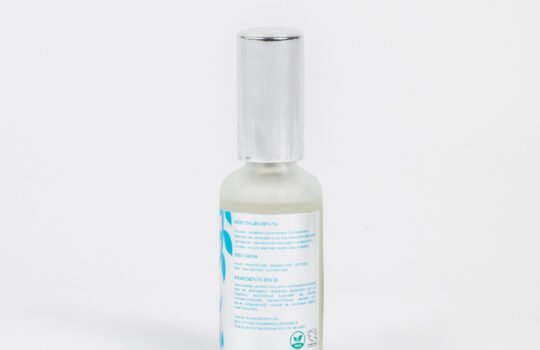
The Lasting Curl Gel uses naturally extracted flaxseed and aloe vera rather than drying alcohols, so it forms that protective cast without the stiffness — medium-to-strong hold that scrunches out soft, not crispy.
Anti-Humidity Creams
Creams work differently from gels: instead of sealing on top, they hydrate and smooth the cuticle from the start so there’s less of a moisture gap for humid air to rush into. A good cream is lightweight enough not to weigh curls down, but rich enough to actually coat the strand.
The Lasting Defining Cream, built on shea butter and flaxseed, is designed as that first, moisture-sealing layer — most effective applied to soaking wet hair before a gel goes on top (the pairing sold as the Gel & Cream duo).
Anti-Humidity Sprays and Mists
Sprays won’t out-perform a gel for all-day hold, but they solve a different problem: reviving curls on day two or three without a full rewash, which is when humidity-related frizz usually creeps back in fastest.
The Hydrating Hair Mist is built for exactly this — a light mist that reactivates the curl pattern and adds a touch of hold between washes, without restarting the whole routine.
Ingredients to Avoid If You’re Fighting Humidity
- Silicones (like dimethicone): they coat the hair and block moisture exchange in the short term, but build up over time and can trap frizz-causing moisture underneath the coating.
- Heavy drying alcohols: common in some gels for “fast dry” claims, but they tend to make the cast brittle and prone to cracking and flaking in high humidity rather than flexing with it.
- Sulfates in your cleanser: not a styling product, but sulfate shampoos strip the scalp’s natural oils, leaving hair thirstier and more reactive to humid air. See our guide on sulfate-free shampoo in Sri Lanka’s climate for more.
Every Müllwood product is formulated silicone-free, sulfate-free, alcohol-free and paraffin-free for exactly this reason.
Building a Simple Routine With Anti Humidity Hair Products
- Wash with a sulfate-free cleanser so hair isn’t starting the day already stripped.
- On soaking wet hair, apply the Lasting Defining Cream to hydrate and smooth the cuticle.
- Layer the Lasting Curl Gel on top to seal and hold.
- Air dry or diffuse without touching your hair until fully dry.
- On non-wash days, revive with the Hydrating Hair Mist instead of rewashing.
This is the same three-step system sold together as the Trifecta — see our full roundup of the best curly hair products in Sri Lanka for how it compares against the rest of the range.
Frequently Asked Questions
Do anti-humidity products work in monsoon-level humidity?
They reduce frizz significantly but won’t eliminate it entirely at 85–90% humidity — no product fully blocks moisture exchange at that level. Layering cream and gel together, rather than using either alone, makes the biggest practical difference.
Is gel or cream better for humidity?
They solve different parts of the problem — cream hydrates and smooths, gel seals and holds. Used together, they outperform either one used alone, which is why most curly hair routines use both rather than choosing one.
Why does my hair frizz even with anti-humidity gel on?
Usually one of three things: the gel was applied to hair that wasn’t wet enough, it was touched or scrunched before fully drying (which breaks the seal), or it’s being used without a cream underneath on hair that needs more moisture first.
How is this different from a regular frizz-control serum?
Many frizz serums rely on silicones for an instant smooth look, which can build up and trap moisture underneath over time. An anti-humidity cream-and-gel routine works on sealing and holding the curl pattern itself, rather than just coating the surface.