
4A coils are defined, springy S-shaped coils about the width of a crochet needle — the loosest of the Type 4 family, but still tight enough to shrink dramatically and dry out fast. In Sri Lanka’s heat and humidity, that combination creates a specific problem: the air outside is saturated with moisture, but 4A hair often stays dry and thirsty regardless. Here’s why that happens and what actually works for it.
What 4A curls look like
4A coils form a tight, well-defined “S” shape, similar in circumference to a crochet needle or a coiled pen spring. They’re the most defined and springy of the Type 4 family — looser than the sharper-angled 4B and the densest 4C, but still coily enough to shrink 50–75% from stretched length when fully dry. If you’re not sure whether you’re 4A or somewhere else on the scale, our Curl Types 2A–4C guide covers the full system.
Why humid air doesn’t automatically mean hydrated 4A hair
This is the part that trips people up: Sri Lanka’s air is humid — Colombo’s relative humidity averages around 74% year-round and climbs into the high 70s and low 80s during monsoon season, according to the Sri Lanka Department of Meteorology — so it seems like 4A coils should stay naturally moisturised. In practice, they often don’t, for a structural reason that has nothing to do with the weather.
The tighter and more coiled a hair strand is, the harder it is for the scalp’s own sebum to travel down its length. A 2026 dermatology review confirms this directly: in high curl pattern hair, the twisted shaft configuration physically inhibits sebum transport, so the scalp can be producing normal or even excess oil while the coils themselves stay dry from mid-length to end (see the peer-reviewed review of scalp care in high curl pattern hair). That’s why 4A hair can feel simultaneously oily at the roots and dry at the ends, even in a climate as humid as Sri Lanka’s — the ambient moisture in the air doesn’t substitute for the natural oils the strand isn’t receiving.
What actually works for 4A in humidity
Lead with moisture, every time
Because 4A hair isn’t getting much natural oil down its length, your styling routine has to supply that moisture directly rather than relying on the humid air to do it. Apply the Müllwood Lasting Defining Cream generously to soaking-wet hair, working it through in sections so every coil gets coated before it starts to dry.
Seal before the humidity can get in
Once the cream is worked through, scrunch in the Müllwood Lasting Curl Gel to lock that moisture in with a flexible film. This matters more in a humid climate, not less — without a seal, ambient moisture in the air can swell the hair shaft unevenly and break up coil definition into frizz, even though the coil isn’t actually short on water overall. The flaxseed-based gel gives medium-to-strong hold without the stiff, crunchy cast of harsher synthetic gels, which is important for 4A since a hard cast tends to crack rather than flex with the coil pattern.
Don’t skip the gel because 4A “doesn’t need it”
It’s a common myth that only looser curl types need gel and coilier types can skip straight to oil or butter. In practice, 4A holds its definition much better with a cream-then-gel layer than with cream alone — the gel is what keeps the coil clumped together against humidity rather than letting each strand separate into frizz.
Refresh little and often
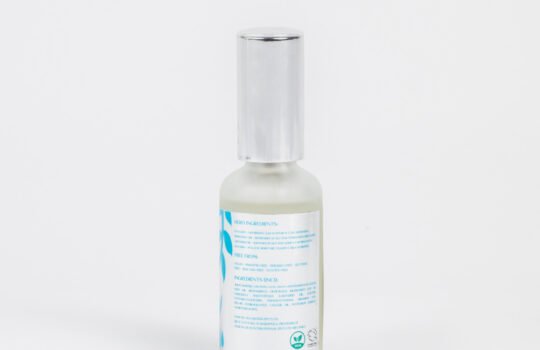
4A coils lose moisture visibly faster than looser curl types between washes. Rather than waiting for coils to look dry before intervening, mist lightly with the Müllwood Hydrating Hair Mist daily or every other day, scrunching gently to re-activate definition. This is genuinely a daily-use step for most 4A curlies, not an occasional one.
Protect coils overnight
A cotton pillowcase pulls moisture out of coils through friction overnight — switch to satin or silk, or sleep in a loose satin bonnet or pineapple to protect the shape and moisture level you built during styling.
Common 4A-in-humidity mistakes
- Assuming humid air means you can use less product. The opposite is usually true for 4A — because sebum barely reaches the ends, the styling routine is doing most of the moisturising work, humidity or not.
- Under-sealing. Applying cream without gel on top leaves coils exposed to humidity swings, which is what causes the “frizzy on top, dry underneath” look.
- Washing too often. Frequent shampooing strips what little oil does reach the coils. Co-washing between sulfate-free shampoo sessions works well for most 4A hair — see our co-washing guide for Sri Lanka’s climate for a suggested rhythm.
Frequently asked questions
Why does my 4A hair feel dry even though it’s so humid outside?
Because the tightly coiled shape of 4A hair physically blocks natural scalp oil from travelling down the strand, regardless of how much moisture is in the air. Humidity affects the outside of the hair shaft, not the internal oil supply — that’s why 4A still needs a deliberate moisture routine even in a tropical climate.
Should I use more or less product than looser curl types?
Generally more, applied generously and sealed properly. 4A coils need richer, more consistent moisture than 2A–3A hair, since natural oils don’t reach the lengths and ends as effectively.
Is gel really necessary for 4A, or is cream enough?
Gel makes a real difference for 4A specifically — it seals the moisture the cream provides and holds coils clumped together against humidity. Skipping it tends to show up as frizz forming through the day, even when the cream application was generous.
How often should I moisturise 4A hair between wash days?
Daily or every other day for most people, using a light mist rather than reapplying full styling product. See our curl types guide for how this compares across the full 2A–4C range, or our guide to the best curly hair products in Sri Lanka for the full product lineup.