Silicone-free is about curl performance — less build-up, more moisture reaching the hair. Paraben-free is about how the product is preserved — gentler, plant-derived preservatives instead of synthetic ones. Neither is about safety; both claims are considered safe by regulators, they just solve different problems.
Walk down any hair-care aisle — or scroll any Sri Lankan beauty store online — and you will see the same two badges over and over: “silicone-free” and “paraben-free.” They sound similar, they often appear together, and they are easy to lump into one vague idea of “clean.” But they actually refer to two completely different types of ingredient that do two completely different jobs. This guide explains silicone free vs paraben free hair products in plain language, so you can decide what actually matters for your curls — without the marketing hype.
What are silicones in hair products?
Silicones are smoothing agents. They are synthetic ingredients (you will spot them on labels as words ending in -cone or -siloxane, like dimethicone) that coat the hair to give instant slip, shine and frizz-free softness. That is why so many conditioners and serums rely on them — they make hair feel silky straight away.
The catch is that some silicones are not water-soluble. They sit on the hair and, over repeated washes, can build up into a film. A 2025 dermatology review in the peer-reviewed journal Skin Appendage Disorders confirms that non-water-soluble silicones can accumulate on the hair shaft with repeated use, and that removing that buildup typically requires stronger, sulfate-based clarifying shampoos (see the peer-reviewed review of silicones in hair care) — and that cycle of heavy coating followed by harsh stripping is exactly what many curly-haired people are trying to escape.
Why choose silicone-free?
For curls, silicone-free is mostly about avoiding build-up. When silicone film layers up, it can block moisture from actually reaching the hair, leaving curls that look coated and shiny but feel dry and lifeless underneath. Going silicone-free lets water-based products hydrate the strand directly, so your curls stay bouncy and defined rather than weighed down.
This is a core reason the Curly Girl Method discourages non-soluble silicones. It is not that silicones are dangerous — they are considered perfectly safe to use — it is that, for curly and wavy hair specifically, they often work against the light, moisture-rich routine that curls thrive on. If you want the full method, see our Curly Girl Method guide for Sri Lanka.
What are parabens in hair products?
Parabens are something entirely different: they are preservatives. Their job is to stop mould, yeast and bacteria from growing in water-based products like shampoos, conditioners and creams. Without an effective preservative, anything containing water can spoil and become unsafe surprisingly quickly — so parabens (listed as methylparaben, propylparaben and similar) have been used for decades because they are cheap and very good at their job.
Why choose paraben-free?
Here it is worth being honest and balanced. According to the U.S. Food and Drug Administration’s official position on parabens, the agency does not currently have information showing that parabens as used in cosmetics affect human health, and major regulators in the EU consider them safe at the low levels permitted in cosmetics. The push for paraben-free products is driven mainly by consumer preference and caution: some people have found older studies raising questions about certain parabens, some have sensitive skin or scalps that react, and many simply prefer a shorter, more natural ingredient list.
So paraben-free is less about a proven danger and more about choice: choosing gentler, often plant-derived preservative systems, and choosing formulas that align with a clean-beauty approach. A good paraben-free product still needs a preservative — it just uses an alternative one to keep the product safe on your shelf.
Silicone-free vs paraben-free: the key difference
Here is the simplest way to hold the two apart:
- Silicone-free is about how your hair feels and behaves — texture, build-up, and whether moisture can get in. It is a performance and curl-health choice.
- Paraben-free is about how the product is preserved — shelf life and the kind of ingredients you are comfortable putting on your body. It is a formulation and preference choice.
One affects the styling result on your curls; the other affects what is keeping the bottle fresh. That is why you will often see both claims together — they are not competing, they simply tick two different boxes for people who want lightweight, cleaner curl care.
Do curly-haired people need both?
For most curlies, silicone-free is the one that makes a visible, day-to-day difference — it is the ingredient choice most likely to change how your curls look and feel. Paraben-free is more of a values-and-comfort choice on top of that. The good news is you do not have to pick: plenty of well-formulated products are both, giving you build-up-free performance and a cleaner preservative system. This matters more the tighter your curl pattern gets — see our guides on 3B curls and 4A curls in humidity for why build-up-free products matter even more as curl pattern tightens.
How Müllwood approaches clean curl care
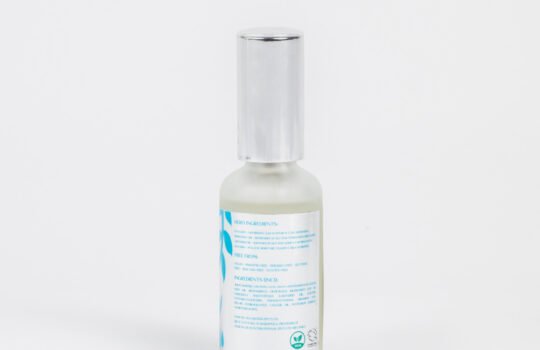
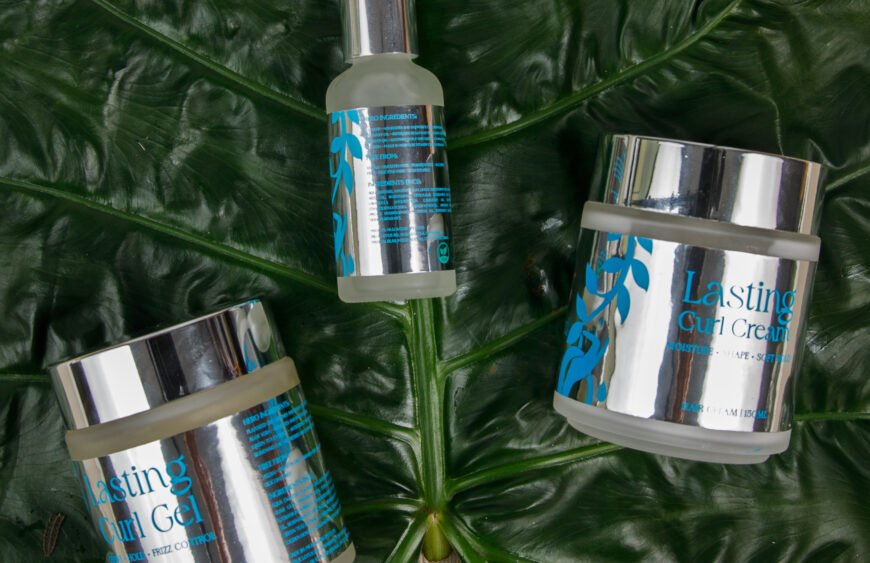
This is exactly the thinking behind Müllwood’s formulas. Every product in the range is silicone-free, sulfate-free, paraben-free and mineral-oil-free, as well as vegan and cruelty-free — so you get lightweight, buildable curl care without the heavy coating or the harsh stripping cycle. The Lasting Defining Cream and flaxseed-powered Lasting Curl Gel define and hold curls while letting moisture in, and the Hydrating Hair Mist keeps them refreshed between washes. You can see the whole range in the Müllwood shop, or compare options in our best curly hair products in Sri Lanka guide.
Frequently asked questions
Are silicones and parabens actually bad for you?
Neither is considered unsafe by regulators at the levels used in cosmetics. Silicone-free is mainly a curl-performance choice (less build-up), and paraben-free is largely a preference for gentler, more natural preservative systems. Both “free-from” claims are about suitability and choice rather than proven harm.
Does silicone-free mean my products won’t cause build-up at all?
Silicone-free removes one of the most common causes of stubborn build-up, but any product can accumulate if overused. Water-soluble, silicone-free formulas rinse away far more easily, so you are much less likely to need harsh clarifying washes.
If a product is paraben-free, how does it stay fresh?
It uses alternative preservatives — often gentler, plant-derived ones — to protect against mould and bacteria. A responsibly made paraben-free product is just as safe on your shelf; it simply preserves the formula a different way.
Are Müllwood products silicone-free and paraben-free?
Yes. Every Müllwood curl product is silicone-free, sulfate-free, paraben-free and mineral-oil-free, and also vegan and cruelty-free. For more on ingredients and routines, see our curly hair FAQ or the step-by-step how-to-use guide.